

Natural diamonds are among the most extraordinary creations on Earth. Formed deep beneath the surface over billions of years, each one carries a story that cannot be replicated. Their rarity, beauty, and enduring symbolism have made them some of the world’s most treasured gemstones.
While modern technology has introduced alternatives such as laboratory grown diamonds, natural diamonds retain a unique connection to nature. Their character, rarity, and long term value set them apart in ways that man made stones cannot match.
Understanding what makes natural diamonds truly unique, and how they differ from diamond alternatives, can help you make a more informed and confident choice when selecting the perfect stone.
1. A Connection to Nature
Natural diamonds are formed over billions of years under intense heat and pressure deep within the earth. During this time, carbon atoms bond together to form crystal structures. This slow, natural process makes each diamond a rare product of nature.
Every diamond develops its own characteristics, making it truly one of a kind. In contrast, lab grown diamonds are created in controlled environments and can be produced in unlimited quantities subject only to the vast amounts of energy required.
2. Every Diamond is Unique
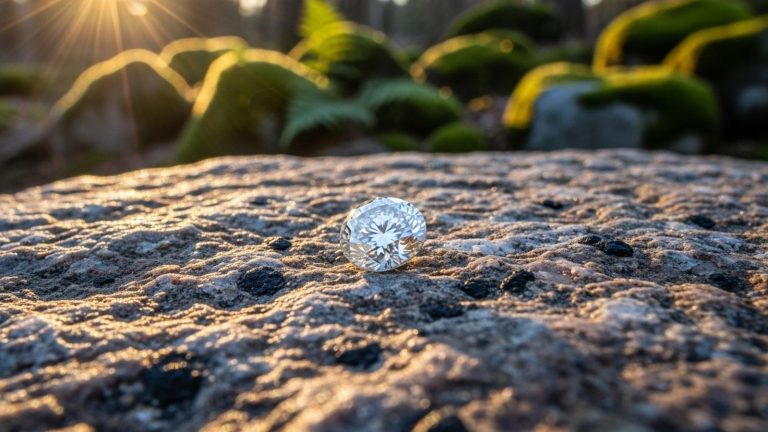
Each natural diamond contains its own inclusions and characteristics, often referred to as its fingerprint. These subtle details make every stone distinct.
It is often the character of a diamond that draws you in. No two natural diamonds are alike, so it is important to choose one that you feel most connected to.
Beyond this, always get professional advice on what you can’t see with the naked eye. Because of the infinite variety of inclusions, you want to make sure your diamond does not have any internal flaws that would lower its brilliance and therefore its value.

3. Natural Diamonds Are Rare
The rarity of natural diamonds plays a significant role in their value. Only a small percentage of mined diamonds meet the standards required for fine jewelry. As mining becomes more complex and and more and more resources are required to find the diamonds, high quality natural diamonds are becoming increasingly scarce.
Today, there is also a stronger focus on responsible sourcing, with many diamonds coming from regions that follow strict environmental and ethical standards. Canadian diamonds, for example, are known for their traceability and high regulatory standards, offering added confidence in their origin.
Across diamond producing regions, from Canada to South Africa, the natural diamond industry supports communities and drives economic growth. It provides employment opportunities and contributes to the development of essential infrastructure, including hospitals, schools, and public services.

4. Durability, Timelessness and Historical Significance
Natural diamonds are the hardest material on Earth, making them incredibly durable. Their strength and longevity make them ideal for everyday wear, especially for pieces that mark important life moments such as engagements, weddings, and anniversaries.
For generations, natural diamonds have symbolized love, strength, and commitment. Their timeless appeal makes them a classic choice for any piece of jewelry.

5. A Connection to Natural History
Every natural diamond carries with it a piece of the earth’s history.
Formed long before human civilization, diamonds represent a connection to nature that spans billions of years.
Owning a natural diamond means holding something truly ancient and extraordinary.

6. Lasting Value
Natural diamonds are often viewed as long term assets. Their value is influenced by market demand, rarity, and quality, which helps support their significance over time.
Beyond financial value, diamonds are often passed down as heirlooms, carrying personal meaning and history from one generation to the next.
Final Thoughts
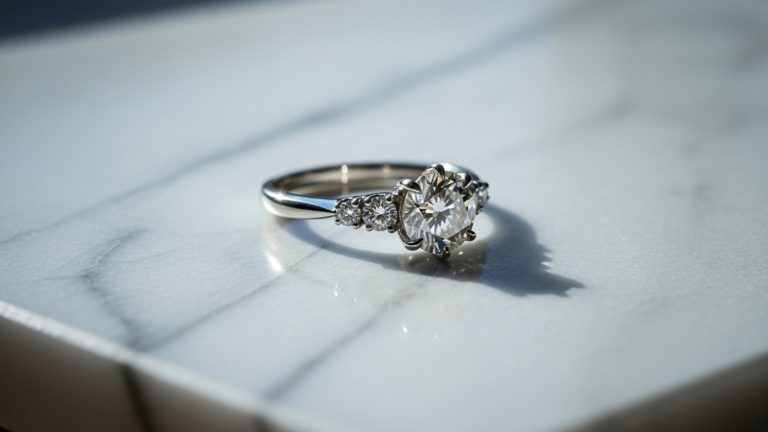
Natural diamonds are more than gemstones. They represent time, rarity, and emotion. Understanding what makes them unique allows you to appreciate their true value and choose a diamond that reflects both beauty and meaning.
Frequently Asked Questions
What makes natural diamonds unique?
Natural diamonds are formed over billions of years, and each one has unique natural characteristics, making every stone different.
Are natural diamonds better than lab-grown diamonds?
This depends on your personal situation. Natural diamonds offer rarity and a long-term legacy, while lab-grown diamonds offer affordability.
Do natural diamonds hold their value?
Natural diamonds are rare and treasured. While values can fluctuate over the short term, natural diamonds hold their value over the long-term. In contrast, lab-grown diamonds get cheaper as technology progresses.
How do I choose the best natural diamond?
It is imperative that you deal with a retailer that you trust. At Stittgen for example, we can help you find the perfect stone by bringing in a small selection of the finest diamonds within your budget so you can select the stone you feel most drawn to. We will also go over the details of the diamond certificates with you.
How much does a natural diamond cost?
Natural diamonds can vary drastically based on size and quality. A reputable retailer will help you find the highest quality stone no matter your budget. While you will pay more than a comparable lab-grown diamond, you can also be sure that the natural diamond’s value will not decline year after year.
Looking for a Diamond That Truly Reflects Your Story?
At Stittgen Fine Jewelry, we help you choose natural diamonds that reflect both beauty and meaning. Our team will guide you through every step to find a stone that truly speaks to you.
Visit our West Vancouver gallery or contact us to learn more.
To learn more about diamonds, visit our Expertise page